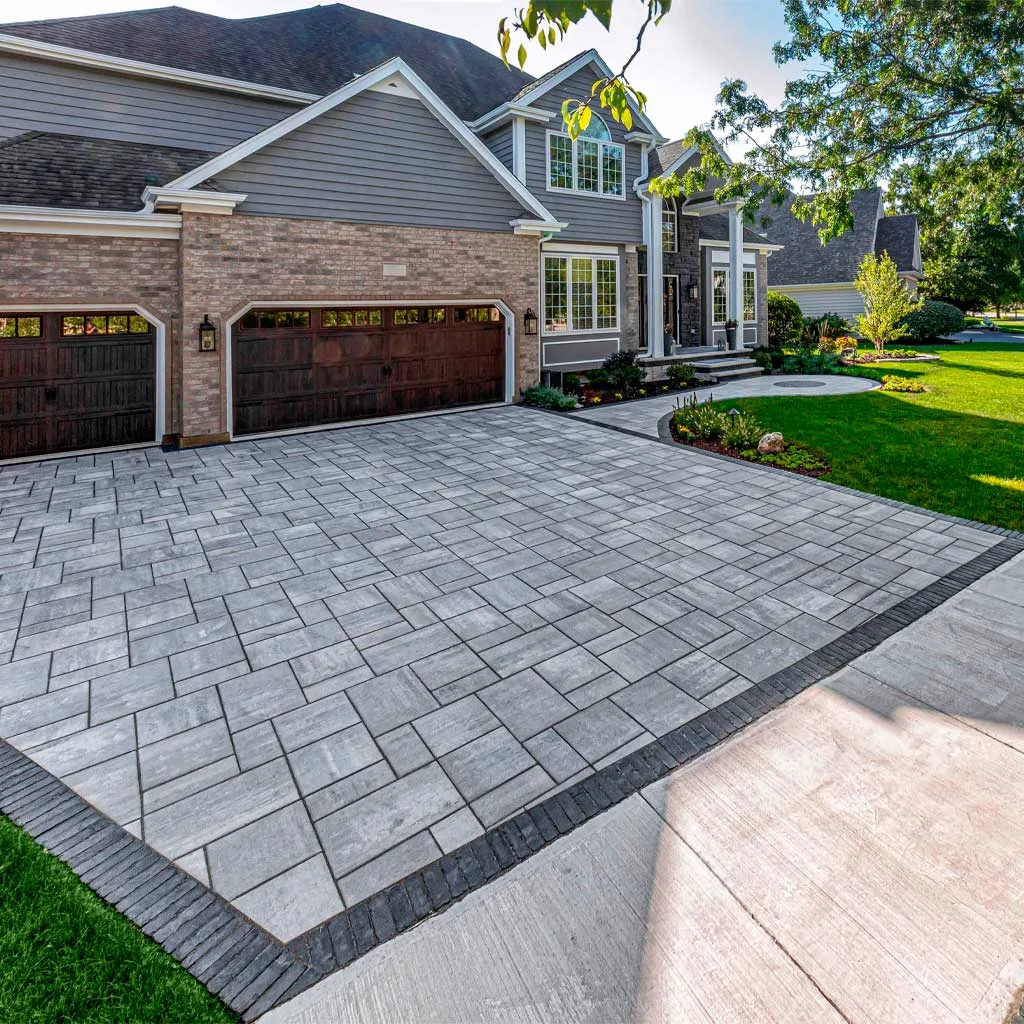
We serve all of Nassau County and Suffolk County, including towns from Great Neck to Wading River. Whether you're on the North Shore, South Shore, or central Long Island, our team is ready to help with your paving and masonry project.
Are you licensed and insured?
Yes. Brothers Paving & Masonry is fully licensed and insured. We carry comprehensive general liability insurance and workers' compensation coverage for your complete protection and peace of mind.
How long have you been in business?
We have over 15 years of experience serving Long Island homeowners and businesses. Our crew has completed thousands of paving, masonry, and hardscape projects across Nassau and Suffolk County.
Do you offer free estimates?
Yes. We provide free, no-obligation estimates for all of our services. We'll visit your property, discuss your vision, and provide a detailed written estimate. Call us at (631) 374-9796 or fill out our online form to schedule.
Do you offer financing?
Yes, we offer flexible financing options through Joist to help make your project affordable. You can apply during your free estimate consultation. Financing allows you to enjoy your new outdoor space now while spreading payments over time with manageable monthly installments.
What types of services do you offer?
We specialize in a full range of paving and masonry services including driveways (asphalt, paver, and concrete), patios, walkways, stoops and porches, retaining walls, drainage solutions, pool hardscape, outdoor kitchens, and complete backyard transformations.
Project Planning
How long does a typical project take?
Project timelines vary depending on scope and complexity. A standard driveway or patio can typically be completed in 3–5 days, while larger projects like full backyard transformations may take 2–3 weeks. We'll provide a clear timeline during your consultation.
What is the best time of year to start an outdoor project on Long Island?
The ideal season for most paving and masonry work on Long Island is spring through fall, roughly April through November. However, asphalt paving requires warmer temperatures (typically 50°F and above) for proper compaction. We recommend scheduling your consultation early in the season to secure your preferred start date.
Do I need a permit for my project?
Permit requirements vary by town and project scope. Most standard patio and driveway projects on Long Island do not require a building permit, but some municipalities require permits for retaining walls over a certain height or projects that change the grade of your property. We can advise you during the estimate process based on your specific town's requirements.
How should I prepare my property before work begins?
We'll walk you through any preparation during the estimate. In general, it helps to clear personal items, planters, and furniture from the work area. If vehicles need to be moved from a driveway, we'll coordinate that with you in advance. Our crew handles all excavation, debris removal, and site prep.
Can you work around existing landscaping?
Yes. We take care to protect existing landscaping, gardens, and structures adjacent to the work area. If plantings need to be temporarily relocated, we'll discuss that with you before starting. After the project, we restore lawn areas and clean up the entire jobsite.
Driveways & Paving
What is the difference between asphalt and paver driveways?
Asphalt driveways are cost-effective, installed quickly, and perform well in Long Island's climate. Paver driveways offer more design options with a higher-end look and are individually replaceable if a section is damaged. Both are excellent choices — the best option depends on your budget, aesthetic preferences, and long-term goals.
How long does an asphalt driveway last on Long Island?
A properly installed and maintained asphalt driveway on Long Island typically lasts 15–20 years. Factors that affect lifespan include base preparation, drainage, traffic volume, and regular maintenance like sealcoating. We recommend sealcoating every 2–3 years to maximize longevity.
What kind of base do you use for paver installations?
We use crushed concrete NYS #1 as the base material for all paver installations. It's the gold standard for Long Island soil conditions — it compacts tightly, drains well, and meets New York State specifications for structural fill. A proper base is the single most important factor in how long your pavers stay level.
Can you resurface my existing asphalt driveway?
In many cases, yes. If your existing driveway has a solid base and the surface damage is limited to cracking or wear, we can mill or overlay the surface with a fresh layer of asphalt. During the estimate, we'll assess the condition of your current driveway and recommend whether resurfacing or a full replacement is the better investment.
Do you install driveway borders and aprons?
Yes. Paver or Belgian block borders add a finished, upscale look to asphalt driveways and help define the driveway edge. We also install driveway aprons at the street transition. Borders and aprons are one of the most popular upgrades our customers choose.
Patios & Outdoor Living
What paver brands do you install?
We primarily install Cambridge pavers with Armortec technology and Nicolock pavers. Both are Long Island and Northeast manufacturers whose products are specifically designed for our climate, including freeze-thaw cycles and salt air exposure. Both brands offer lifetime limited manufacturer warranties on the pavers themselves.
What is Cambridge Armortec?
Cambridge Armortec is a built-in surface protection technology integrated into Cambridge pavers during manufacturing. It protects against stains, oil spills, and weathering without requiring a separate sealer application. Cambridge pavers with Armortec come with a lifetime limited manufacturer warranty on the paver itself.
How much does a paver patio cost on Long Island?
A standard paver patio on Long Island typically starts around $19 per square foot installed, which includes premium pavers, excavation, crushed concrete base, polymeric sand, edge restraints, and cleanup. A 20×20 patio starts at approximately $7,599. Visit our pricing page for detailed breakdowns and what's included.
Can you build a raised patio or multi-level patio?
Yes. We build raised patios, multi-level patios, and elevated patio areas with retaining wall supports. These projects require additional engineering for proper structural support and drainage, which we'll plan during the design phase. Raised patios are an excellent solution for yards with grade changes.
Do you build outdoor kitchens and fire features?
Yes. We design and build custom outdoor kitchens with built-in grills, countertops, bars, and storage, as well as fire pits, fireplaces, and fire tables. All hardscape features are integrated with your patio design for a cohesive outdoor living space.
Masonry & Walls
What types of retaining walls do you build?
We build retaining walls using segmental block, natural stone, and paver-style materials. Our walls serve both structural and decorative purposes — from managing grade changes and preventing erosion to creating tiered garden beds, seating areas, and planter walls.
Can you rebuild or repair an existing stoop or porch?
Yes. We repair and rebuild masonry stoops, porches, steps, columns, and landings. Whether your existing stoop has settled, cracked, or is showing its age, we can restore it with quality masonry to match or upgrade the look of your home's entrance.
Do retaining walls need a footing?
Yes. All of our retaining walls are built on a proper compacted base with a buried first course for stability. For taller walls, we use geogrid reinforcement and additional base work as needed. Proper footing and base preparation are essential for a retaining wall that stays straight and solid over time.
Drainage
How do I know if I have a drainage problem?
Common signs include standing water after rain, water pooling against your foundation, soggy or eroded lawn areas, water in your basement, or downspouts that dump water too close to the house. If you notice any of these issues, a drainage assessment can identify the problem and the right solution.
What is a French drain and do I need one?
A French drain is a gravel-filled trench with a perforated pipe that redirects subsurface water away from problem areas. It's one of the most effective drainage solutions for Long Island properties where water collects in low spots, along foundations, or in areas with poor soil drainage.
What is the difference between a French drain and a dry well?
A French drain collects and redirects water horizontally through a perforated pipe in a gravel trench. A dry well is a buried chamber that collects water and allows it to slowly percolate into the surrounding soil. Many drainage systems use both — French drains to move the water, and dry wells as the discharge point.
Can drainage be added to an existing patio or driveway?
Yes. We install channel drains, catch basins, and drainage lines that integrate with existing hardscape. If your patio or driveway has settling or drainage issues, we can often add drainage solutions without a full rebuild, though every situation is different and we'll assess it during the estimate.
Warranties & Aftercare
What does your 5-year craftsmanship warranty cover?
Our 5-year craftsmanship warranty covers workmanship defects in the installation, including paver settling, shifting, or joint failure caused by improper installation. It does not cover normal wear and tear, Acts of God, damage from improper use, or issues caused by third-party modifications after our work is complete. Manufacturer warranties on materials are separate.
How do I maintain my paver patio or driveway?
Paver maintenance is straightforward. We recommend occasional sweeping, rinsing with a garden hose, and re-applying polymeric sand to joints every few years as needed. Avoid using pressure washers on high settings, which can dislodge joint sand. If individual pavers shift or settle, they can be lifted and re-set without replacing the entire surface.
How often should I sealcoat my asphalt driveway?
We recommend sealcoating an asphalt driveway every 2–3 years, starting about 6–12 months after the initial installation. Sealcoating protects against UV damage, water penetration, and oil stains, and restores the rich black appearance. It's one of the most cost-effective ways to extend the life of your driveway.
What if I notice an issue after the project is complete?
Call us. We stand behind our work and we're always available to address any concerns. If there's a workmanship issue covered by our warranty, we'll take care of it. We value long-term relationships with our customers and many of our projects come from repeat clients and referrals.