Loading...
Loading...
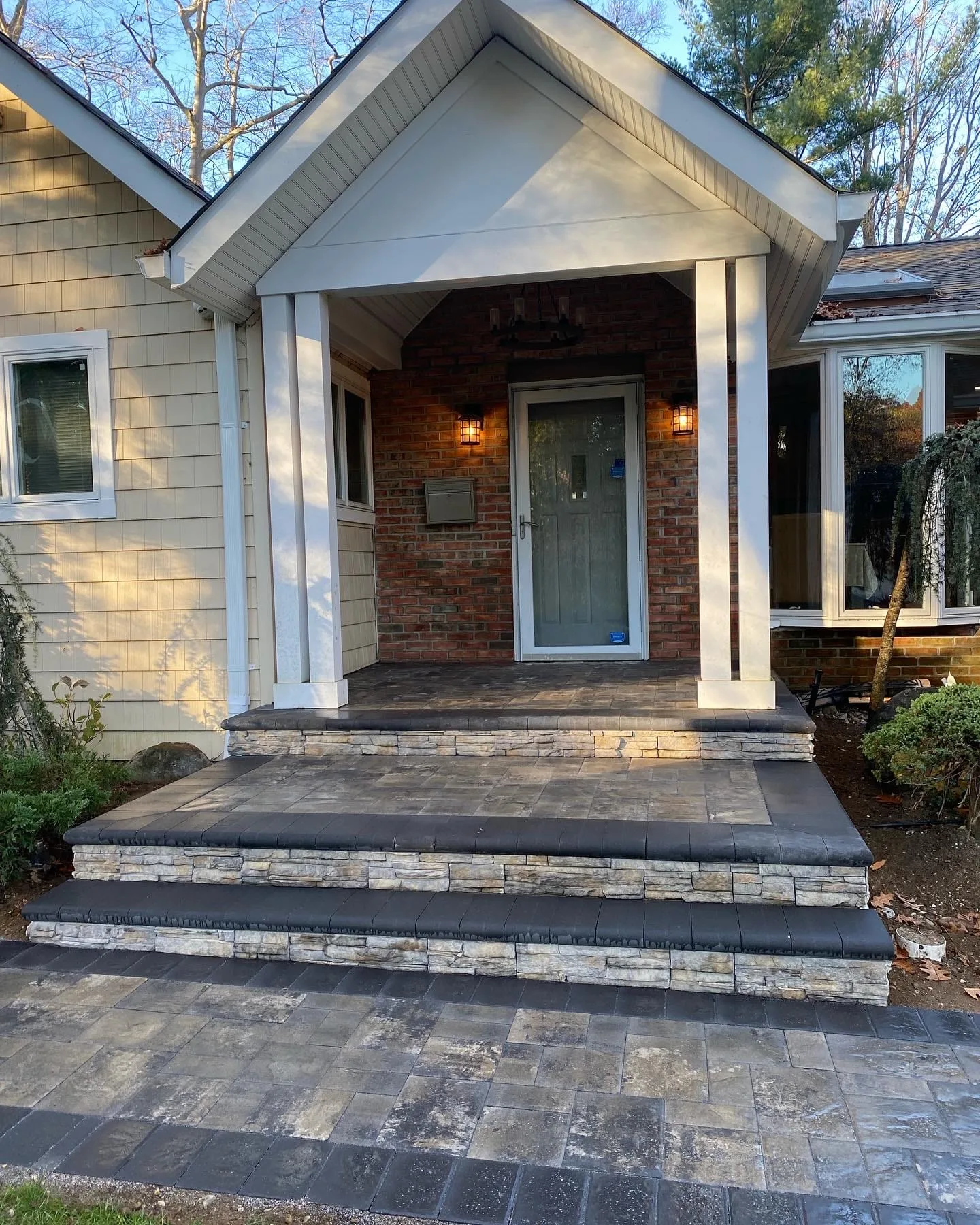
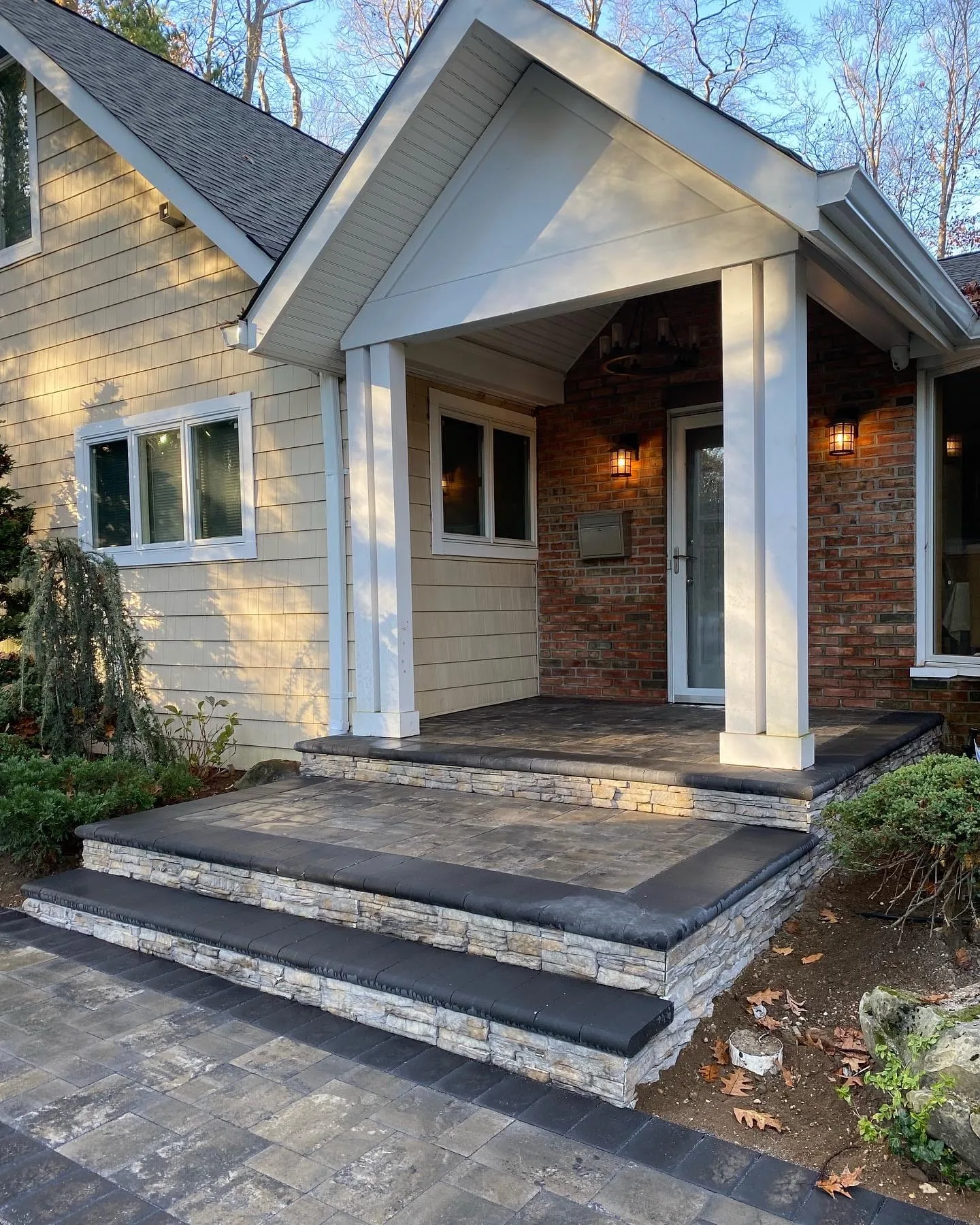
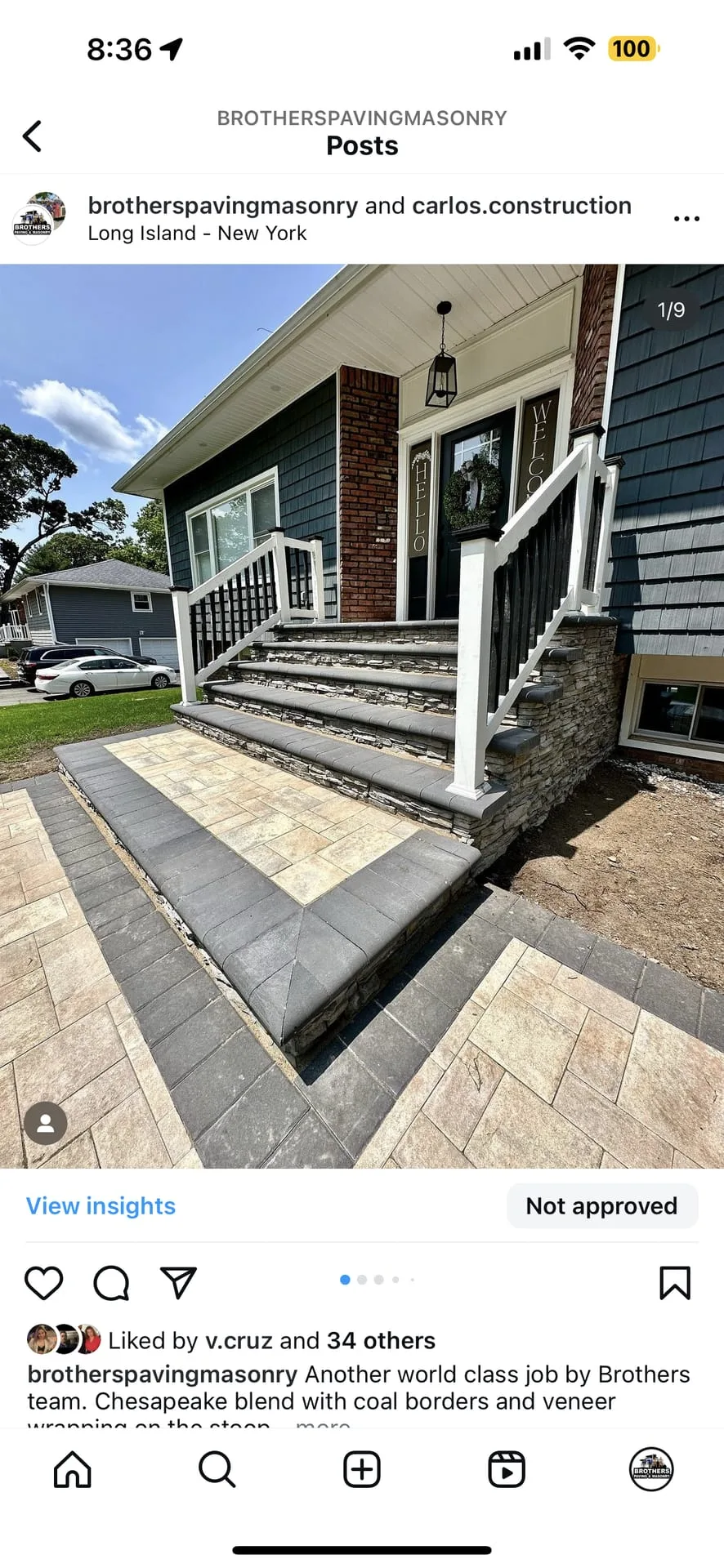
Custom masonry column piers for porches and entryways on Long Island. Brick, stone, and block columns built on reinforced footings for lasting beauty.
Masonry columns and piers are the vertical structural and decorative elements that frame your porch, support overhead roofing, and define the architectural presence of your home's entryway. Whether they are load-bearing supports for a porch roof or purely aesthetic features flanking your front steps, columns and piers must be built with precision — a leaning, cracking, or deteriorating column is not just an eyesore but a potential structural failure waiting to happen. At Brothers Paving, we build and rebuild masonry column piers that combine structural reliability with the refined appearance your home deserves.
## What Are Column Piers?
In masonry construction, a pier is a freestanding vertical structure built from brick, concrete block, or stone. When a pier is designed and finished to serve as a decorative or structural column — supporting a porch roof, a pergola beam, or a gate — it is commonly referred to as a column pier. These elements are built on independent concrete footings and rise from the porch or stoop level to the height required by the structure they support or the design they complement.
Column piers are found throughout Long Island residential architecture. They flank front entries, define porch corners, support overhead beams and arches, anchor railings and gates, and serve as pedestals for lighting fixtures, planters, or house number plaques. Their visual impact is significant — well-proportioned columns give a home a sense of permanence and craftsmanship that is difficult to achieve with any other feature.
## When Column Piers Need Attention
Over time, masonry column piers can develop problems that compromise both their appearance and their structural function:
- **Cracking and spalling.** Freeze-thaw cycles and moisture infiltration cause the brick or stone facing to crack, chip, and flake. - **Leaning or tilting.** If the footing beneath a pier has settled or shifted, the entire column may lean — a serious structural concern if the column supports a roof. - **Mortar joint deterioration.** Eroded mortar joints weaken the column and allow more water to penetrate, accelerating damage. - **Cap damage.** The cap stone or cap piece on top of a column is the first line of defense against water entry. A cracked or missing cap allows water to flow down into the column interior, causing damage from the inside out. - **Separation from the porch.** Columns that have separated from the porch structure or wall they are attached to indicate foundation movement that requires professional assessment.
If your columns show any of these signs, it is important to address the issue before it progresses to the point of failure — especially if the columns are load-bearing.
## Benefits of New or Rebuilt Column Piers
Investing in professionally built column piers provides:
- **Structural safety.** Load-bearing columns built on proper footings and reinforced with steel provide reliable support for porch roofs, beams, and overhead structures. - **Curb appeal.** Columns are one of the most visible architectural features of your home. Clean, well-proportioned columns with quality cap stones elevate the entire appearance of your entryway. - **Design flexibility.** We build columns in a range of styles — from simple square brick piers to tapered stone columns with decorative caps — to match your home's character. - **Durability.** A properly built masonry pier with a quality cap and waterproofing will last the lifetime of your home. - **Integrated features.** Columns can incorporate built-in electrical conduit for lighting fixtures, recessed address plaques, or mailbox enclosures.
## Our Column Pier Construction Process
**1. Design and sizing.** We determine the correct column dimensions based on structural load requirements (if load-bearing) and aesthetic proportions relative to the porch, stoop, and home facade. We select materials and cap styles that complement the overall design.
**2. Foundation.** Each column pier receives an independent concrete footing poured below the frost line. For load-bearing columns, the footing is sized to handle the structural load with an appropriate safety margin.
**3. Reinforcement.** Load-bearing piers include vertical steel rebar that extends from the footing through the full height of the column. The interior is filled with grout or concrete to create a solid, reinforced core.
**4. Masonry build-up.** We lay the column courses in brick, block, or stone, keeping each course level and plumb. Corners are kept crisp, and mortar joints are consistent in width and tooling.
**5. Cap installation.** The cap stone — typically bluestone, brownstone, granite, or a precast concrete cap — is set on a bed of mortar and sealed to prevent water infiltration. The cap should overhang the column face slightly to direct water runoff away from the column body.
**6. Finishing.** If the column receives a stone veneer or stucco finish, this is applied and detailed. Electrical conduit is connected if lighting is part of the design. The base of the column is flashed and sealed where it meets the porch surface.
## Materials
- **Brick** — The most common column material on Long Island. Available in standard, oversized, and specialty shapes for a variety of looks. - **Natural stone** — Full-bed or veneer stone for a rustic, substantial appearance. - **Concrete block** — Used as the structural core, typically finished with brick veneer, stone, or stucco. - **Bluestone caps** — Natural, slip-resistant caps that complement Long Island architectural styles. - **Brownstone caps** — A traditional cap material with warm tones. - **Granite caps** — The most durable cap option, available in multiple finishes.
## Long Island Considerations
Column piers on Long Island must contend with freeze-thaw damage, wind loads (particularly in coastal areas), and soil conditions that vary from sandy to clay-heavy. We build with air-entrained mortar, install proper cap overhangs and flashing, and pour footings to the appropriate depth for your location. For load-bearing columns, we work with your architect or engineer to ensure the design meets all structural requirements under the New York State Building Code.
## Maintenance
Inspect column piers annually, paying close attention to the cap — any cracks or gaps in the cap or its mortar bed should be repaired immediately to prevent water entry. Check mortar joints and repoint as needed. If columns have a stone veneer, inspect for any pieces that may have loosened. Clean brick and stone columns with a mild masonry cleaner and soft brush; avoid power washing at high pressure, which can erode mortar joints.
## Why Brothers Paving
Column piers require a level of masonry skill that goes beyond basic block-and-brick work. Keeping a tall, narrow structure plumb and square, integrating structural reinforcement, and finishing with precision cap work demands experienced hands. Our masons have built columns of every size and style across Long Island, and we bring that expertise to every project — whether you need a single column rebuilt or an entire set of porch piers constructed from scratch.
Every project is unique. Here are the main factors that influence pricing:
Call us today for a free, no-obligation estimate.
Or call us now: (631) 374-9796